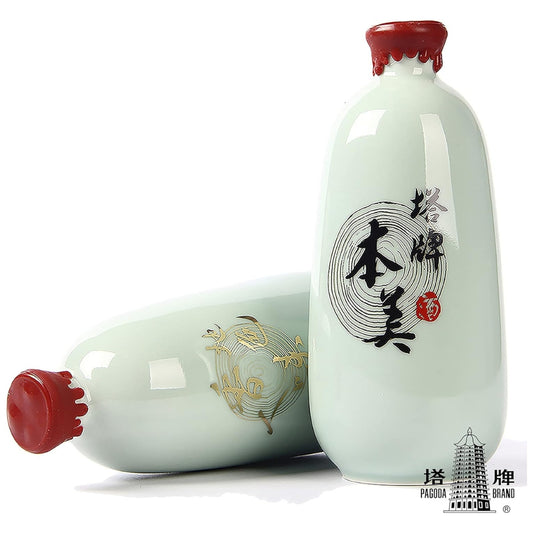
Collection: Yellow Wine (huang jiu) 黄酒
This is the umbrella term for fermented, non-distilled grain based wine. It is one of the world’s most ancient alcoholic beverages, enjoying at least 6,000 years of history in China.
The name ‘yellow wine’ does not do justice to the range of colours found in grain wines. The various types of grains and range of different jiu qu used in making yellow wines result in a wide range of colours, from light yellow to amber, brick orange, brown and maroon, while tastes vary all the way from sweet through to semi-sweet, semi-dry and dry.
Huang jiu is made from a variety of grains. It typically ranges from 12 to 20 per cent alcohol by volume and can age very well. It also has significant nutritional and medicinal values as it contains slow-releasing sugars and is rich in amino acids, vitamins and minerals.
Excerpt from The Chinese Wine Renaissance: A Wine Lover’s Companion.
-
Most wineries are built around the eastern foothills of the Helan Mountain range, including large stakeholders such as Pernod Ricard (Helan Mountain), Château Changyu (Moser XV) and Moët Hennessy (Chandon China), as well as boutiques such as Silver Heights and Kanaan Winery. Cabernet Sauvignon and Merlot are the most planted varieties here, along with Cabernet Gernischt, Syrah, Marselan, Chardonnay and Riesling. There are great conditions – the dry climate means low threat of fungus or rot – as well as challenges for viticulture. The high temperature contrast between day and night leads to balanced ripeness and acidity in the grapes, and the well-drained and stony soil encourages the vine to preserve nutrients for growing the grapes, leading to smaller yields of more flavoursome berries.
-
Excerpt from The Chinese Wine Renaissance: A Wine Lover’s Companion.
On the negative side, the winter is long and harsh and vines need to be buried in order to survive. Slower ripening Cabernet Sauvignon may not be the most suitable variety for this region, as the summer is relatively short, although rather successful Bordeaux blends are produced here, typically lighter and less concentrated in style with softer tannins and a herbaceous character. The Ningxia government is very supportive of the wine industry because it helps alleviate regional poverty, and vine planting reduces land desertification. Wines from this area have won prestigious international awards, and attracted investments and tourism to the province.
-
Pagoda Benmei Shaoxing Yellow Wine
Regular price £24.00Regular priceUnit price / perSale price £24.00